Applications

Building the rails quality monitoring system

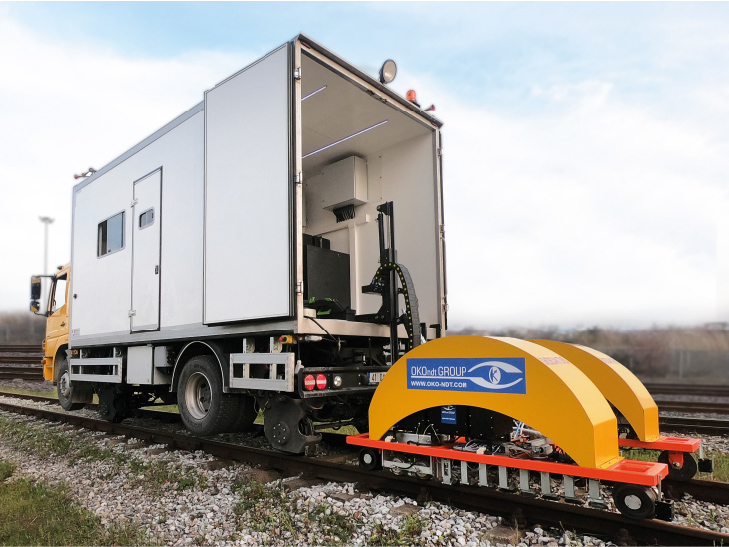
The safety of movement on any railway track in the world depends on the quality of the railway track. The most cost effective solution is following the Risk Based Engineering principles which requires correct and up-to-date information about all rails in the railway tracks. Detection and further monitoring of the technical state of rails with operational defects allow their timely replacement. One of the main components of the rails defects detection approaches is ultrasonic rail inspection, which allows detection of both surface and inner defects in the whole rail cross section (except for the rail base wings).
Visualization of the rail ultrasonic testing results — it is a key to a correct assessment of their condition

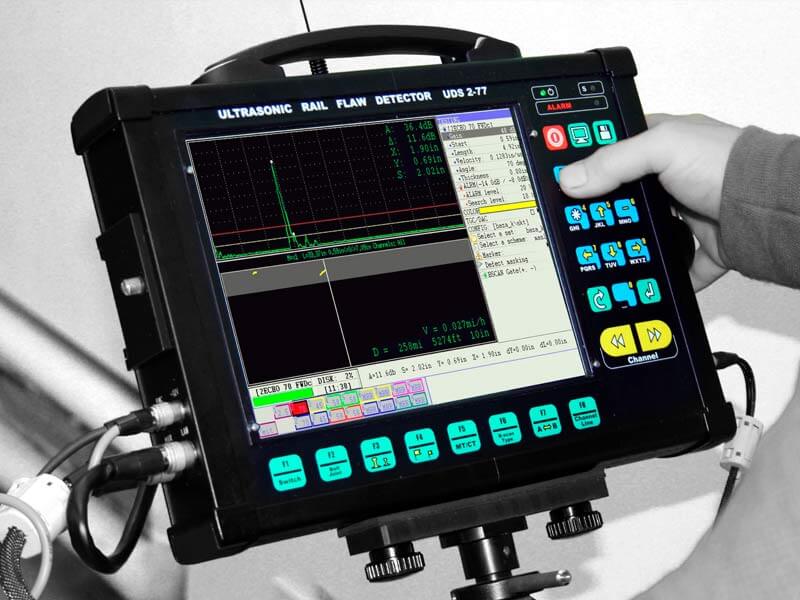
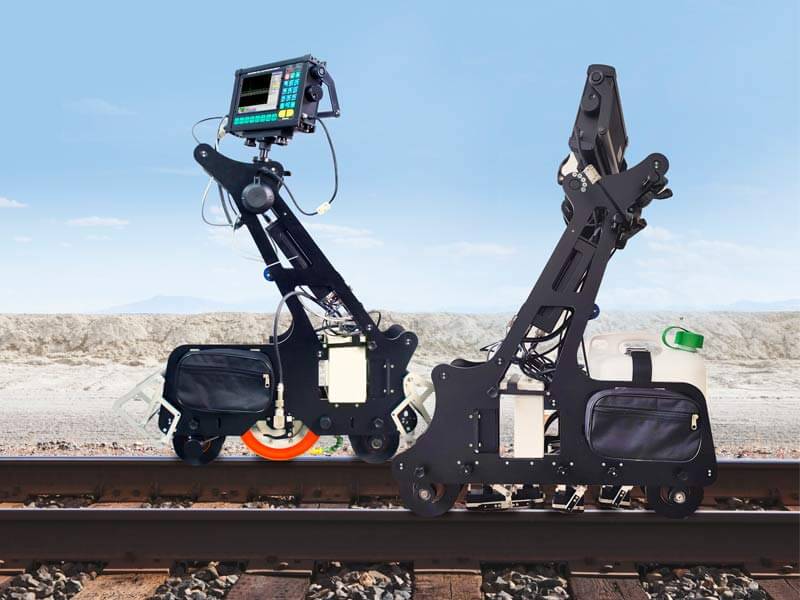
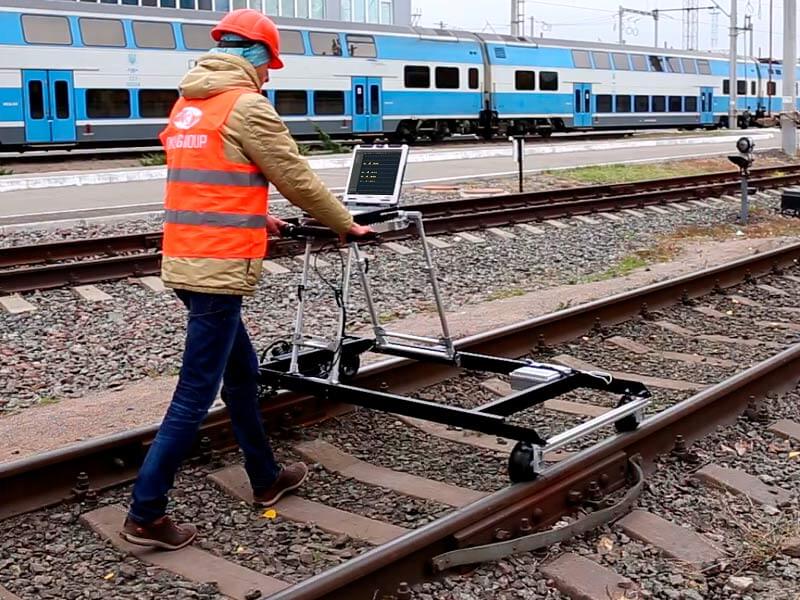
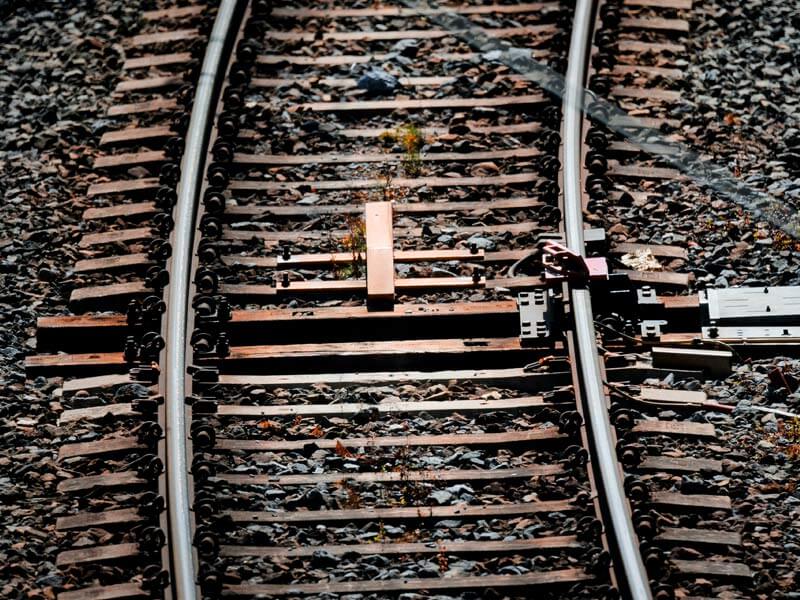
One of the rail track ultrasonic testing (UT) features compared to the UT of another objects of the railroad transport is its multi-channeling at a variety of sounding schemes, and a large extension of the TO. As a result of this particular feature, it is more challenging for the operator to seize such volume of information in real time – the testing by the single-rail trolley UDS2-77 and double-rail trolleys UDS2-73, as a rule, is performed at a speed of 3-4 km/h – the operator's walking speed.

Corrosion NDT and monitoring – application of the Sonocon B/BL and ExScan1000 instruments

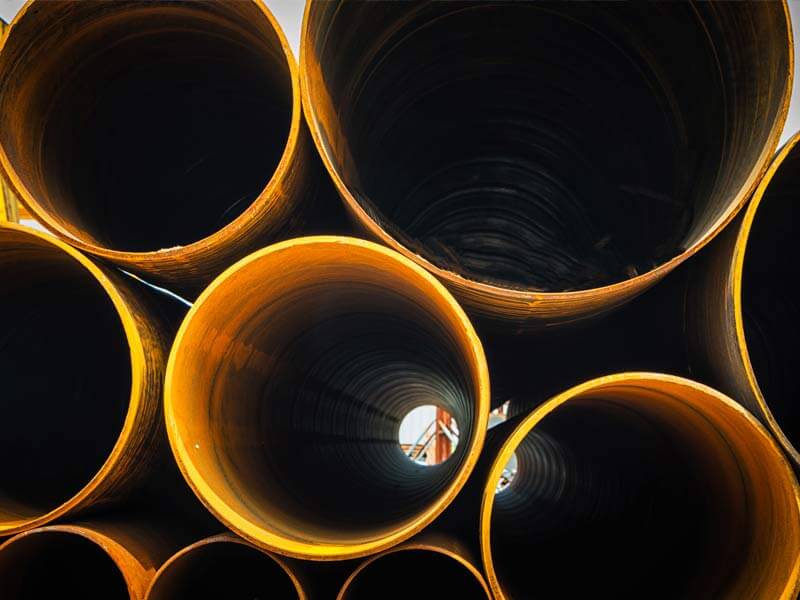
The control of corrosion and erosion damages is one of the essential engineering tasks solving of which ensures the long performance of the objects and constructions. Moreover, despite all the measures taken to increase the corrosion resistance of materials, control and monitoring of appearance and development of corrosion and erosion damages remains one of the most important elements of the Risk Based Engineering. These tasks are relevant for almost all major industries: nuclear, thermal and hydropower, chemical and petrochemical industries, oil and gas, piping, naval, railway and automotive transport, and others.

Application of the eddy current flaw detector ETS2-77 for detection of  surface defects Rolling contact fatigue type in rails

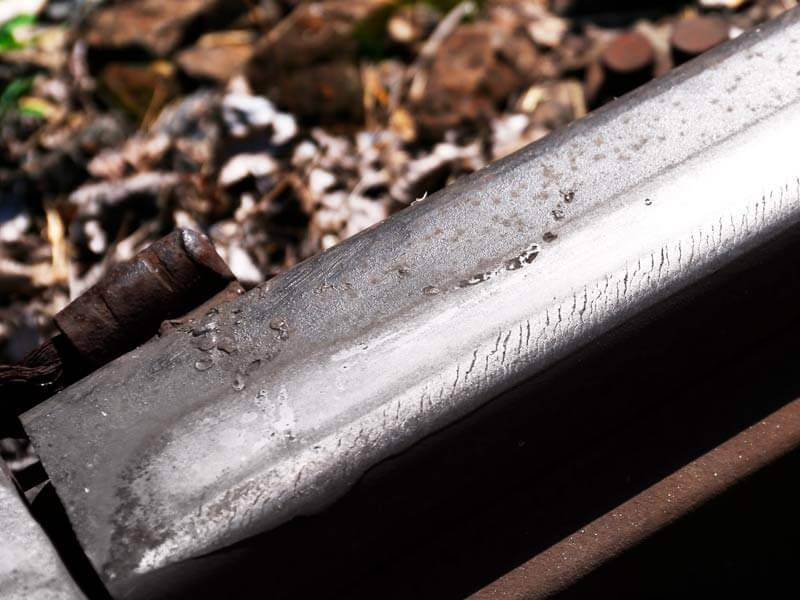
Rails are one of the most important and, at the same time, most stressed elements of the railroad transport and metropolitan, since they are particularly exposed to the loading caused by the rolling stock as well as the dynamic loading. Due to the increased speed of the trains for the last years, and the increment loading of the freight cars, the development of service, fatigue-type defects in the place of contact of the train wheel with the rail head surface may occur. These are so-called “Rolling contact fatigue” (RCF) defects.

Evaluation of the surface cracks depth in the metal products

Both the manufacture defects – the ones that appear in the process of production – and in-service defects of fatigue type may develop (fig.1) in various metal products. The cracks may develop at different angles to the surface growing to considerable depths thus causing the threat of a product breaking when in service.

About OKOndt GROUP

"OKOndt GROUP" represents a group of companies with more than 30-year experience in research, development and manufacture of NDT products for industrial clients all over the world, who endeavor to ensure high-level operational safety, quality, and reliability.

Need help?

CONTACT US

© 2008 - 2026 OKOndt GROUP. All Rights Reserved